
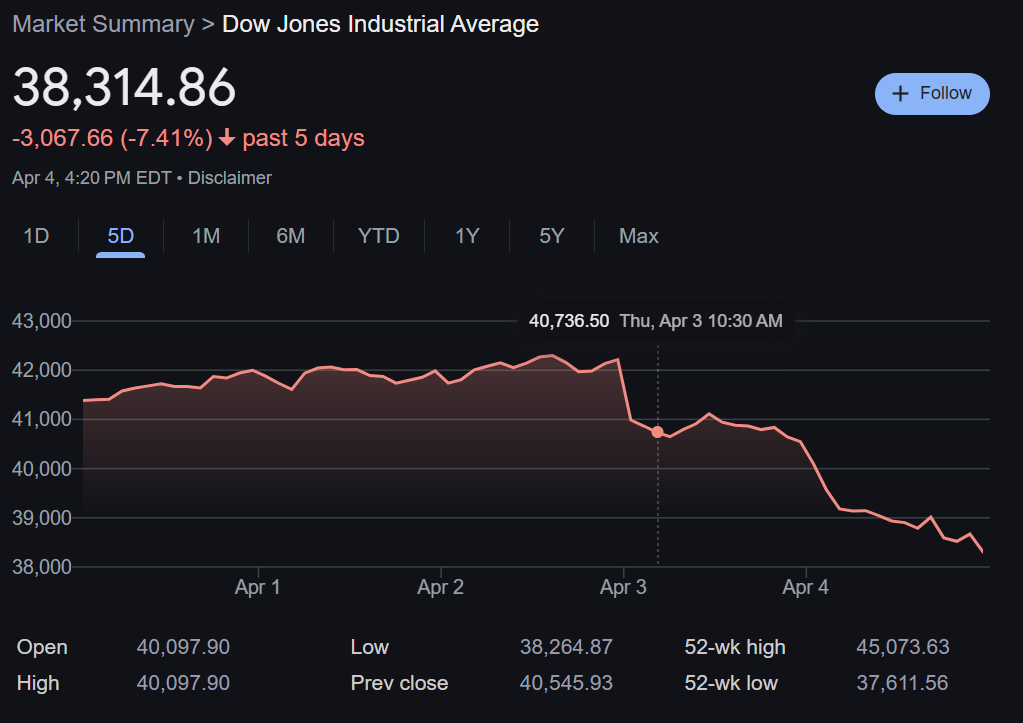
April 4, 2025, will be remembered as a fire-breathing dragon of a day on Wall Street, barbecuing portfolios with its merciless flame of dramatic declines and financial firestorms. Markets were as unsettled as a pot of goldfish on a roller coaster, leaving investors clutching their grip tighter than ever. The Dow Jones Industrial Average nose-dived sharply, shedding more than 2,200 points—a drop that can best be described as a gut-wrenching 5.5%. Meanwhile, the S&P 500 and Nasdaq weren't spared either, each spiraling downward approximately 6%. The culprit behind this market maelstrom? A hefty dollop of trade tension stew, stirred to perfection with China’s bold new tariffs on U.S. imports.
But what does such an earth-rumbling market tremor mean for the trading card aficionados who have been enjoying sunny days of skyrocketing card values? Indeed, the booming trading card industry has morphed from hobbyist delight to a playground for investors—where the cards of Shohei Ohtani, Aaron Judge, and Mike Trout became golden tickets of sorts, highly sought-after trophies in portfolios. Vintage and rookie cards, once lovingly traded on playgrounds, became star players in an emerging investment strategy filled with record-breaking sales.
Yet, just as a game can shift on a dime, so can the financial motivations and sentiments of collectors and investors when the specter of a market downturn looms large. Economic misfortunes can often ring in a period of budgetary belt-tightening, altering spending habits like an unexpected rain delay at the baseball park. When economic confidence wanes, discretionary spending is often one of the first casualties. This means that high-priced trading cards and collectibles might soon find themselves languishing on the shelves, awaiting a buyer who doesn’t show.
However, amid market chaos, there’s often a silver lining for certain investments. Enter the fascinating dance of tangible assets—such as trading cards—that may begin to gleam invitingly to investors seeking anchor points in stormy financial seas. Historically, rare collectibles have often demonstrated resilience, retaining their value or even appreciating during economic downturns. For those with faith, trading cards could become safe havens—not merely playground nostalgia but strategic investments in a volatile world. Limited editions, graded cards, and priceless relics might just shine brighter against a backdrop of financial uncertainty.
Looking ahead, the trading card game is likely to experience some nerve-jangling moments, ebbing and flowing along the currents of broader economic shifts, consumer sentiment, and that elusive beast called market confidence. Wisely anticipating these sways, collectors and investors will need to don their strategic caps, adapting faster than kids swapping cards in a school corridor. The central question remains—will this blip mark a minor detour, or is it the opening prattle of a longer narrative?
As Wall Street strives to regain its composure amidst today's calamitous drop, the trading card community would do well to anticipate a ride that promises to be anything but smooth. The thrill of the chase remains intact for those with an eye for opportunity. Finding innovative strategies to navigate new challenges will be paramount as the economic winds blow in uncharted directions. So buckle up, trading card enthusiasts; this ride promises twists, turns, and perhaps, for those who play their cards right, a jackpot at the end of the line.
Stock Market Shakes Up Trading Card Industry
Comments